
Gasoline Hybrid vs. Diesel on a Forest Harvester
Read case study
January 9, 2026


.avif)
20 Mar 2026
5 min read
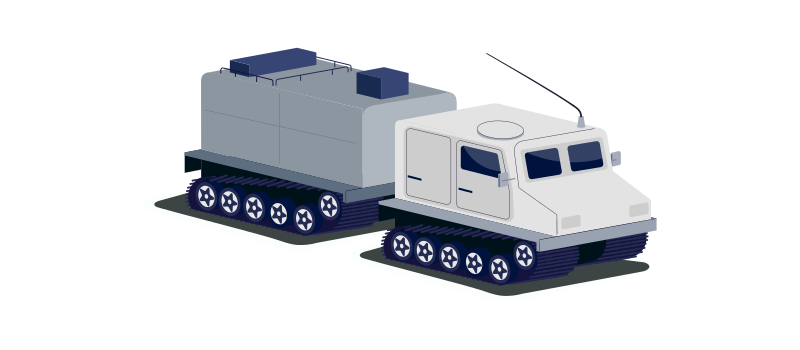
The MoD would like to update the powertrain of a bandwagon tracked vehicle. There are multiple proposed powertrain architecture options. MoD officials favor a 100% battery option, but the high-level trade-offs of different architectures are not clear.
Determine the mass and volume of a BEV only replacement of the legacy powertrain. Determine if a hybrid architecture has advantages over the legacy and BEV powertrains. The updated powertrain should have the same range and cold weather capability as the legacy powertrain.
Reverse engineer the power and energy characteristics of the existing legacy powertrain from publicly available range and fuel tank size information. Create and adjust a drive cycle and legacy components until the range and fuel consumption match targets. Build BEV and hybrid concepts to compare trade-offs.
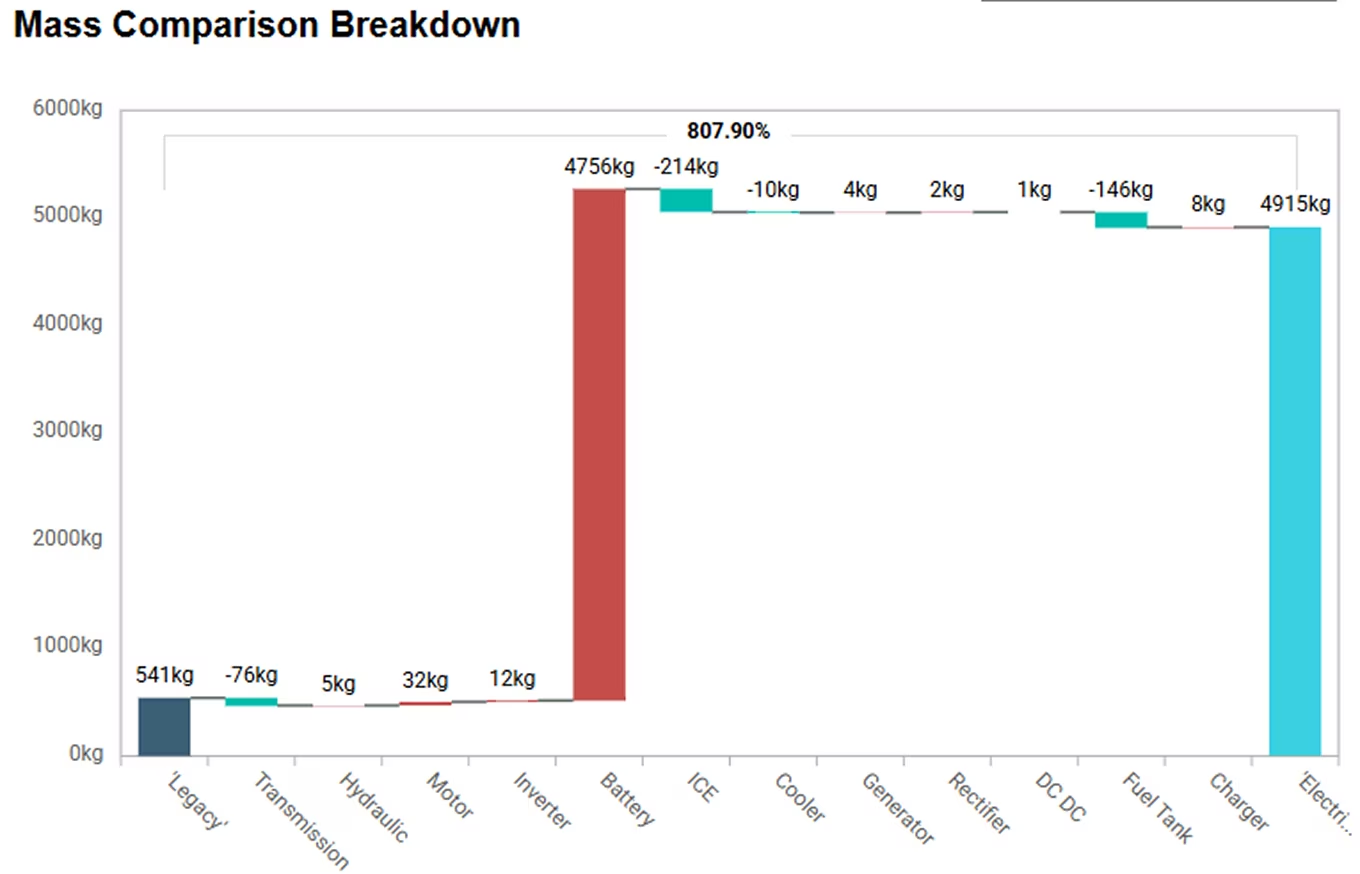
Using today’s common battery technology, a BEV powertrain with the same range capability as the legacy would increase the vehicle mass over 50%. When compensating for the growth of the powertrain due to the increased mass, the mass impact is even greater.
When compensated for the additional mass, a BEV bandwagon powertrain would double vehicle mass to achieve the same range.
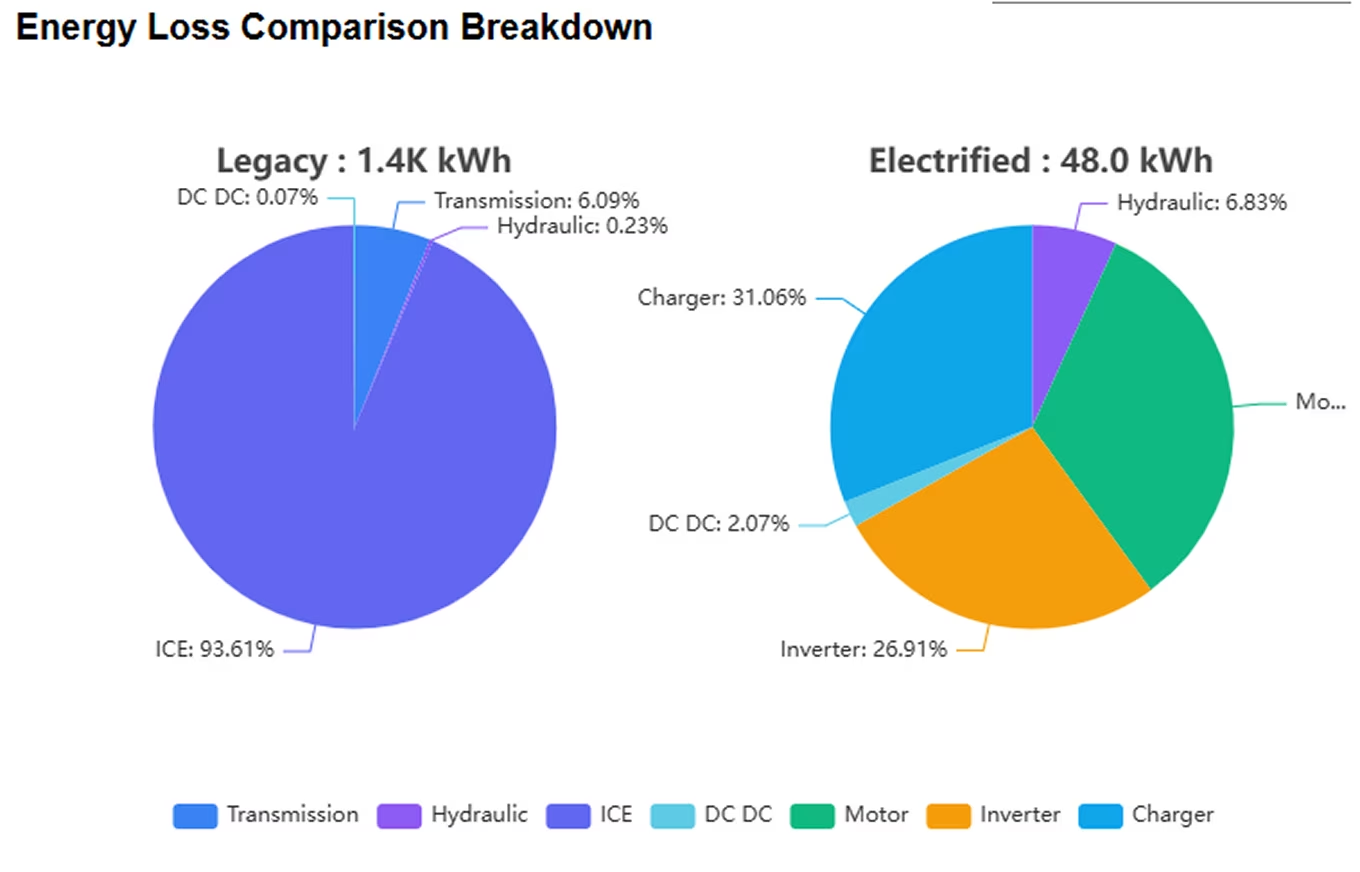
A BEV powertrain would produce only 3% of the waste heat as the legacy powertrain, making it challenging to provide any cabin heat in extreme cold.
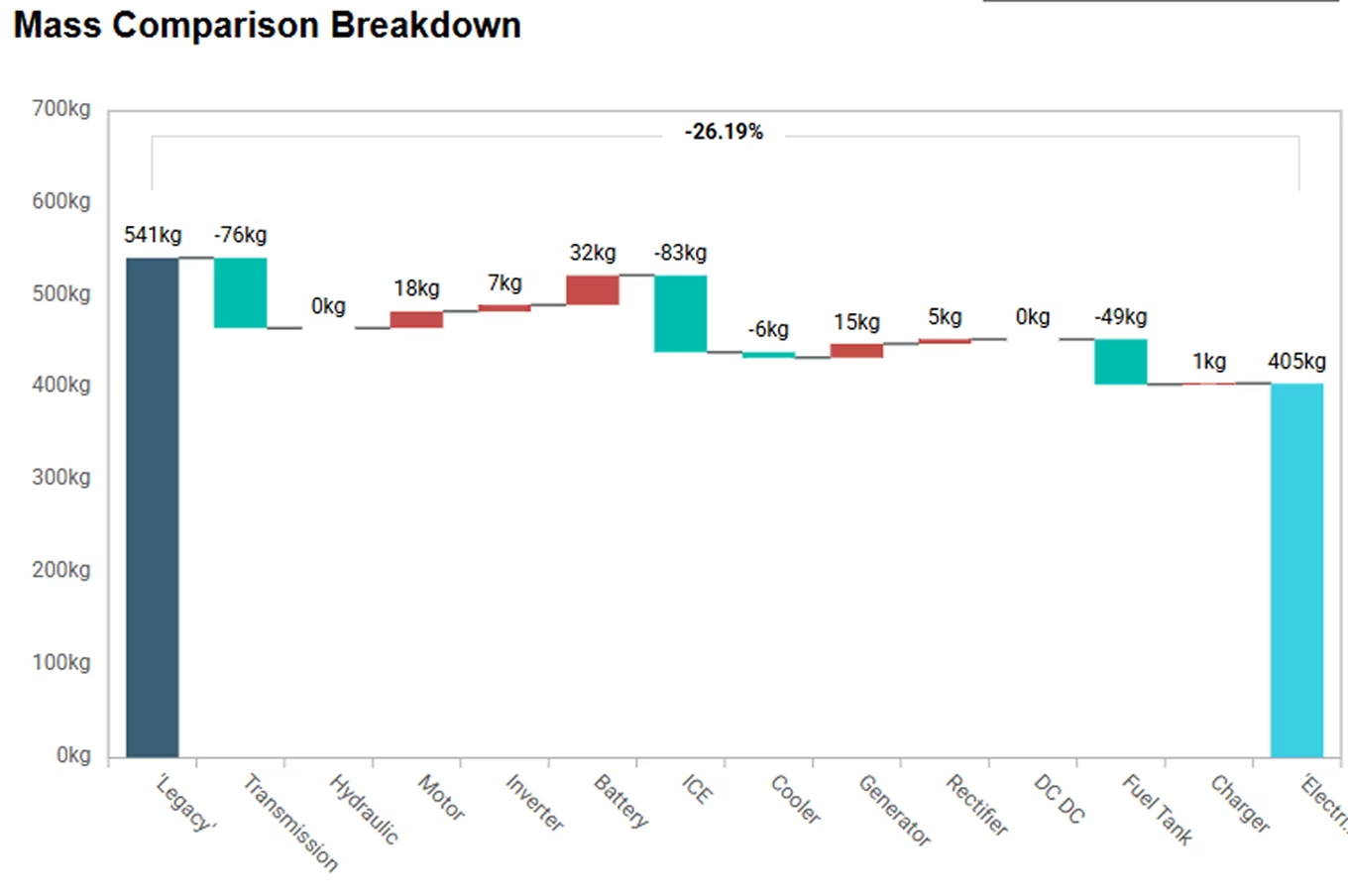
A series hybrid with 30% downsized ICE could reduce mass and volume from the legacy powertrain. This hybrid configuration would also produce just over half of the legacy waste heat for cold operation.