
Gasoline Hybrid vs. Diesel on a Forest Harvester
Read case study
January 9, 2026


.avif)
05 Jan 2026
5 min read
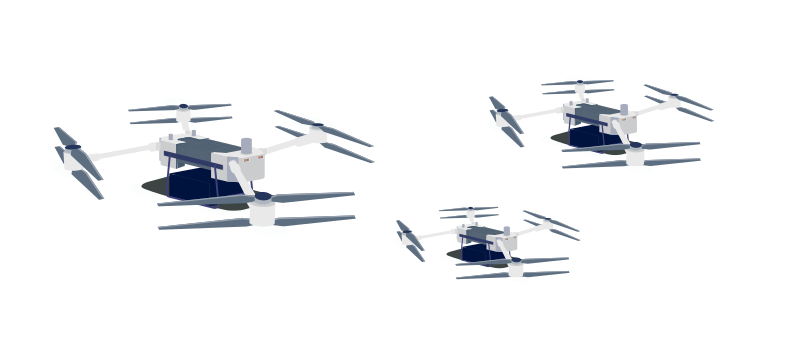
A 92 kg battery powered drone has a 19-minute flight duration. The manufacturer would like to improve flight range by changing the mass of the vehicle.
Optimize the power system that can increase the range of the vehicle. Consider different battery technology that will allow for reduction of mass.
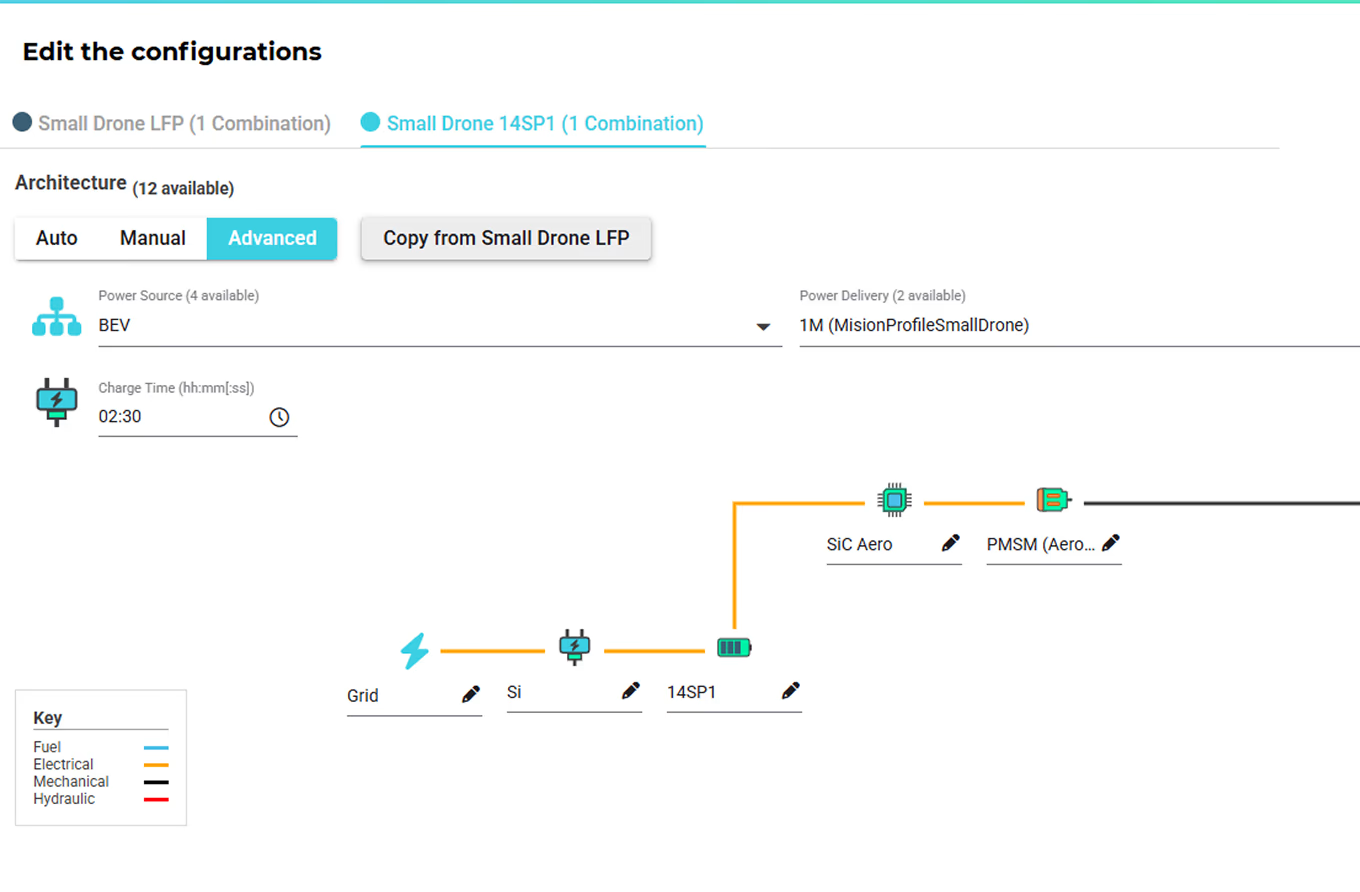
Extend the duration of the application cycle uploaded. Benchmark a different battery-only powertrain. In an A vs. B powertrain comparison, maintain the same powertrain configuration and only change the battery technology.
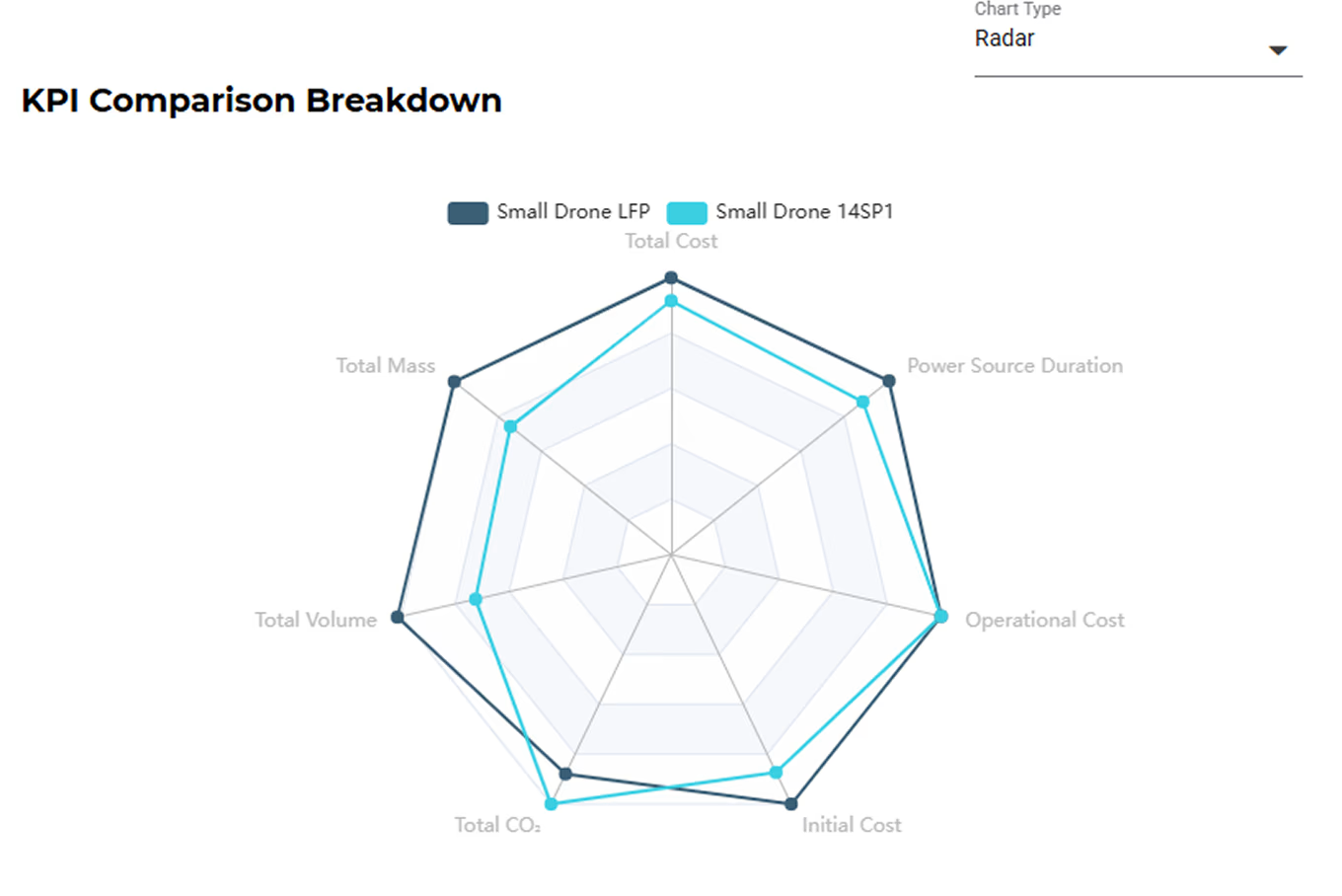
Changing battery technology from standard lithium ion to 14S1P (14 in series, 1 in parralel). Change of technolo allowed to reduce to total mass of the battery pack by 7kg. Although TCO has increased, all other KPI’s have been improved. Reduction of the battery pack mass allows to either extend the usable range or increase the carrying capacity in fully laden state.
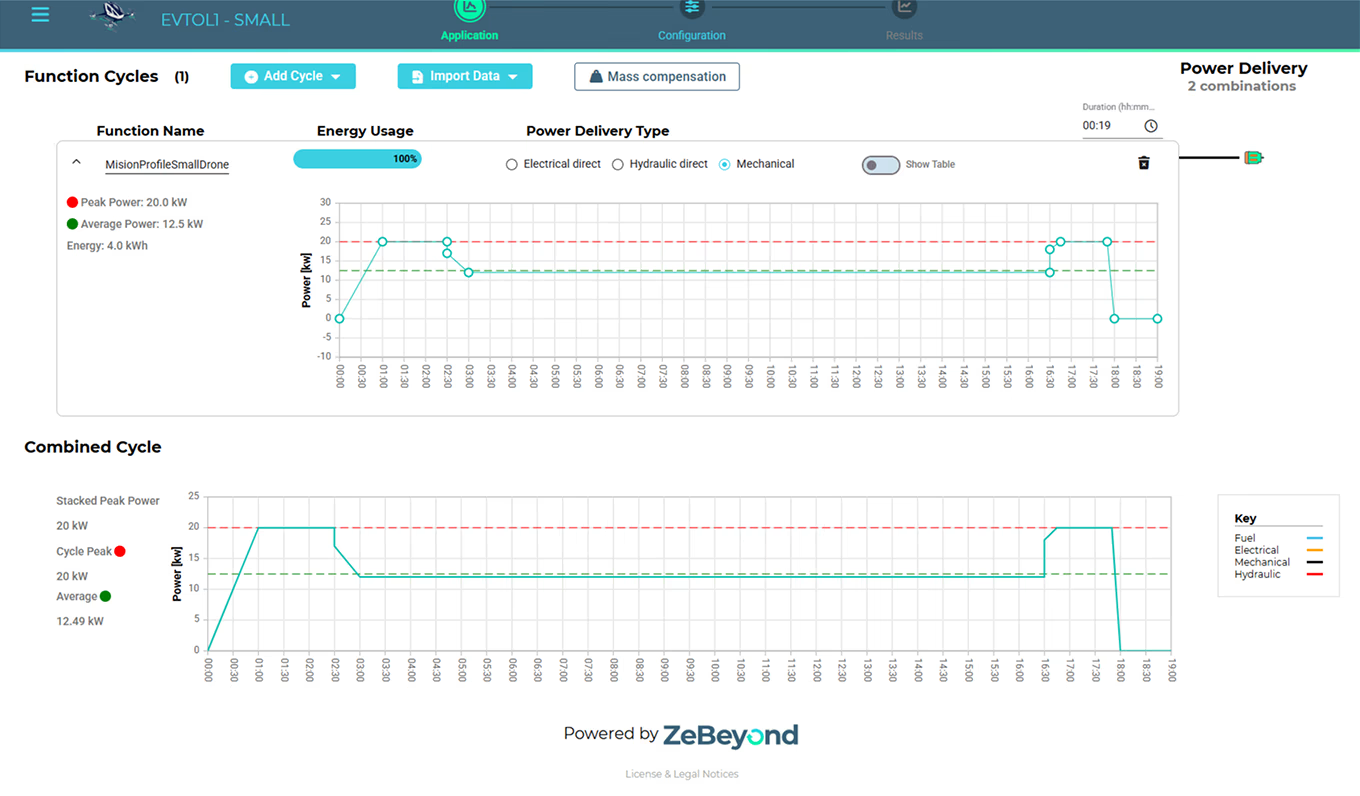
A cycle representing the full mission cycle for a small drone including vertical take off and landing.
Powertrain architecture assumptions have been captured and are displayed on a diagram. Different battery technologies have been defined in the tool.
As a result number of KPI’s have been investigated. Mass reduction is confirmed with a reduction of volume of the pack and cost across the board.