
Gasoline Hybrid vs. Diesel on a Forest Harvester
Read case study
January 9, 2026


.avif)
20 Mar 2026
5 min read

Battery power products are now competitive with traditional generators for many power delivery applications but have very different energy characteristics than ICE-based generators. An engineer needs to write a power delivery spec in an RFQ. He would like to protect for future power needs as much as possible, but doesn’t want to grow mass anymore than necessary,
For a 1kW average power generation, determine the impact on the system when the required peak power or cycle duration are altered. Optimize the power delivery for system mass in each case.
A traditional ICE generator and plug-in hybrid ICE-battery architecture are both configured in ePOP Concept. Keeping average power at 1kW, the cycle peak power was changed from 2kW to 10 kW and then the cycle duration was then changed from 10hr to 2hr. After each change, observations on the mass impact were made.
ePOP Concept shows that power delivery mass is much more sensitive to the peak power requirement than duration requirement. A hybrid system can help minimize the impact of increasing the peak power requirement. For shorter duration power requirements with high peak power spikes, batteries alone may be sufficient.
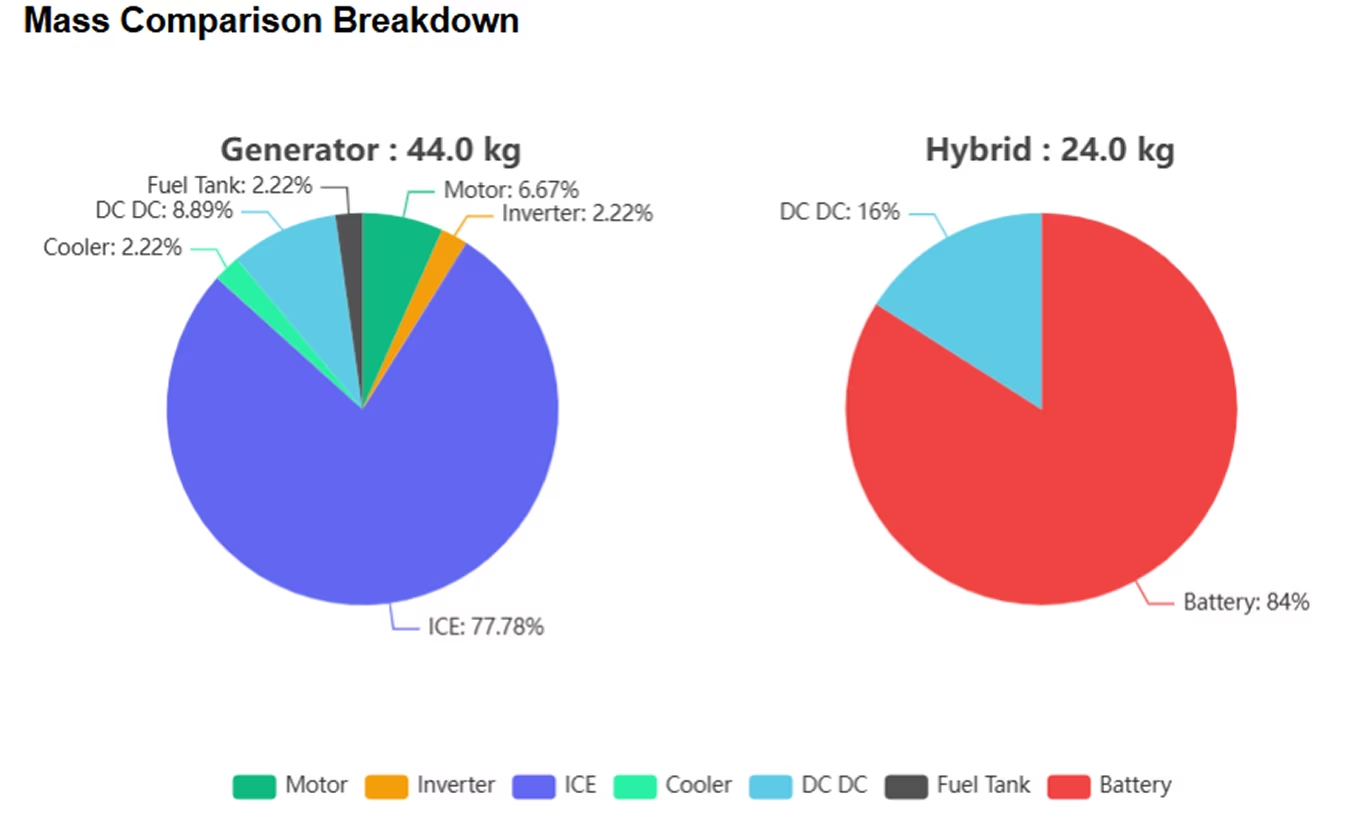
At a 2kW peak and 10hr duration, a traditional ICE generator is very close to the optimal mass solution.
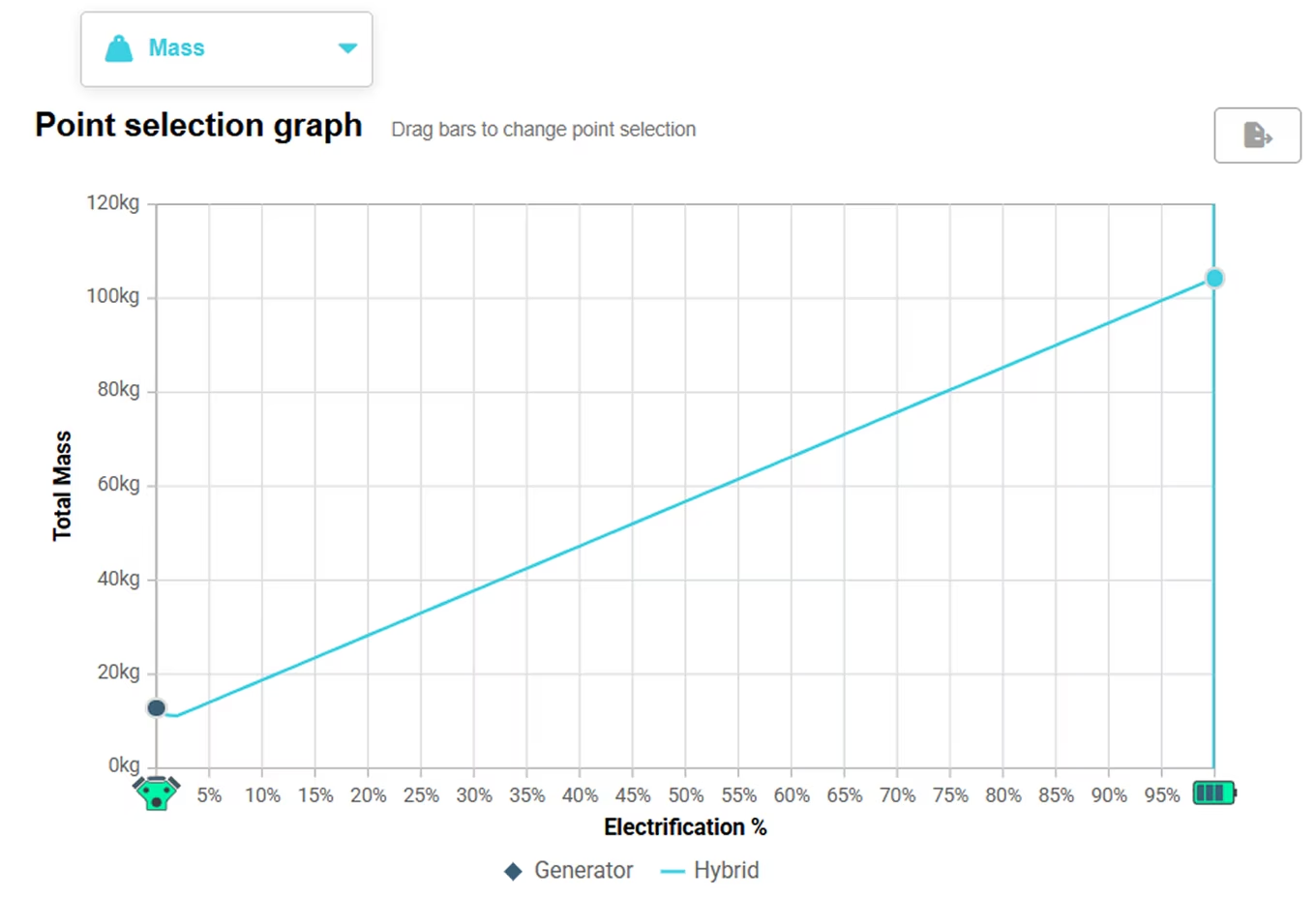
At a 10kW peak and 10hr duration, a hybrid configuration of a 1.3kW ICE and 2.4 kWh LFP battery produces the lowest mass power for the cycle.
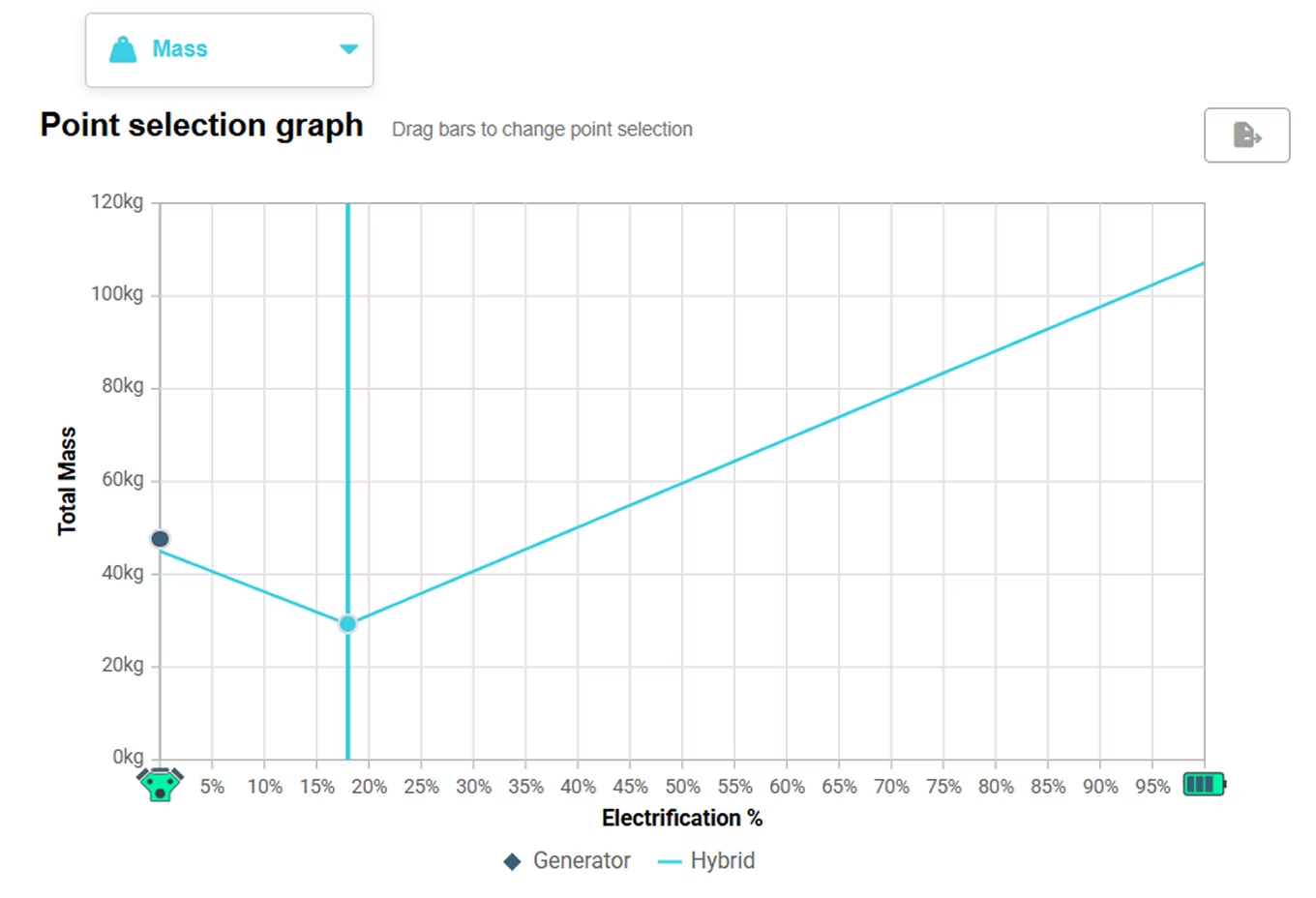
At a 10kW peak and a 2 hr duration, a battery only solution produces the lowest mass power delivery system.